
Tokenization Is Here: Why US Oversight Must Catch Up Now
Real-world assets are moving onto blockchains at a pace that has outrun the supervisory frameworks designed to govern them. Elliptic's September 2026 analysis makes the case plainly: tokenization is no longer a pilot programme or a theoretical risk scenario. It is live, it is scaling, and the gaps in US oversight are already being exploited. For accounting firms, auditors, and CFOs managing digital asset exposure, understanding where those gaps sit, and what they mean for AML controls and reporting, is now a practical necessity, not a future concern. Robust crypto accounting software and compliance infrastructure are moving from nice-to-have to operationally essential.
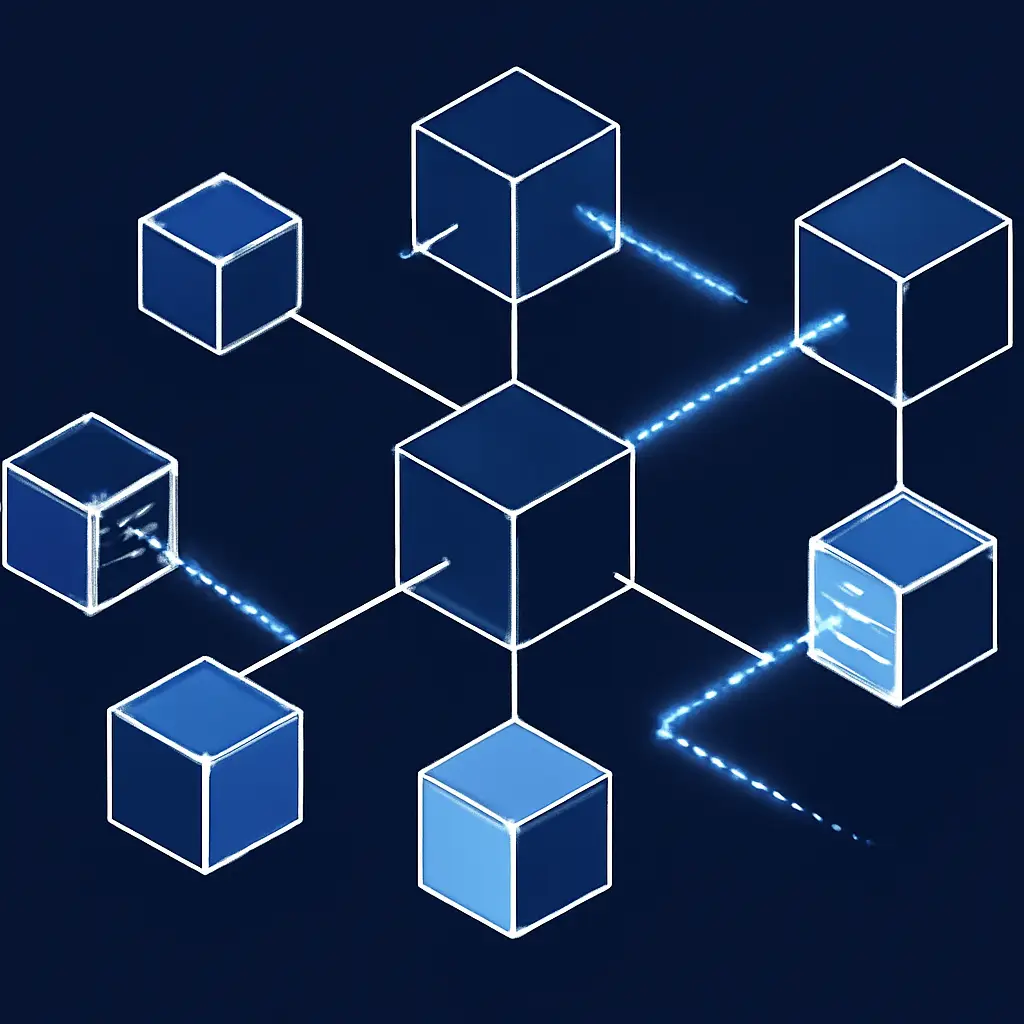
What Is Driving Tokenization at Scale
The headline trend entering 2026 was not a new speculative asset class. It was the mainstream migration of traditional financial instruments onto blockchain infrastructure. Major financial institutions have deployed tokenized products at scale, with settlement volumes running into the billions. The appeal is straightforward: assets settle faster, move between platforms with fewer intermediaries, and can interact with multiple systems simultaneously.
Stablecoins as Settlement Rails
Stablecoins have quietly become the connective tissue of this new market. They increasingly serve as settlement rails, bridging tokenized securities, tokenized funds, and other on-chain instruments across otherwise separate ecosystems. Cross-chain transfers, once a niche activity, are now standard market behavior for institutional participants.
That efficiency is genuinely valuable. Tokenized markets offer the prospect of greater transparency, faster reconciliation, and reduced counterparty risk. The problem, as Elliptic frames it, is that those same properties, speed, frictionlessness, and cross-chain mobility, also reduce the visibility that regulators and compliance teams depend on.
Where Traditional Supervision Breaks Down
US financial oversight was built around centralized intermediaries. Banks, broker-dealers, and clearing houses sit at choke points where regulators can observe activity, enforce reporting, and apply jurisdiction-specific rules. Tokenized markets do not always have those choke points. Assets can move through decentralized liquidity pools, travel across multiple blockchains in a single transaction chain, and settle through stablecoin systems that do not always map neatly onto existing reporting obligations.
The Treasury, the SEC, and US banking agencies have all acknowledged that tokenized assets are entering the mainstream. But acknowledgment and adequate supervisory capability are different things. The current frameworks were not designed for an environment where the same asset can touch three blockchains, two stablecoin networks, and a decentralized exchange before it reaches a regulated custodian.
The AML Warning Signs Already Visible
Elliptic's researchers have documented a concrete set of risk behaviors that illustrate what happens when oversight lags adoption. Criminal networks are increasingly using cross-chain tools to obscure the movement of funds. Sanction-evading actors have specifically used stablecoins and tokenized assets to move value across borders, taking advantage of gaps in chain-specific monitoring and the absence of unified reporting standards.
Sanctioned Entities and Cross-Chain Opacity
Research into sanctioned entities has shown how readily funds can move without triggering oversight, particularly where assets hop between chains or pass through liquidity pools with limited know-your-transaction (KYT) coverage. The vulnerability is not theoretical. It has been observed in practice, and it deepens as more traditional instruments migrate on-chain because the volume and velocity of transactions increases while monitoring tools play catch-up.
This is directly relevant to firms managing digital asset portfolios or providing services to clients who hold tokenized instruments. If your counterparty's assets can transit multiple chains before reaching you, your AML screening at the point of receipt may not be sufficient to catch exposures that arose earlier in the chain. For context on how OFAC sanctions intersect with on-chain activity, the OFAC sanctions and crypto AML obligations for firms analysis covers the operational implications in detail.
Market Manipulation and Blind Spots
Beyond sanctions evasion, the same structural opacity creates risk for market integrity. Tokenized markets that operate across multiple chains and liquidity venues without coordinated surveillance create opportunities for price manipulation that current reporting cycles, often periodic rather than real-time, cannot detect quickly enough to be actionable.
What the Regulatory Gap Actually Looks Like
The gap is not simply a matter of agencies moving slowly. It reflects a structural mismatch between how tokenized markets operate and how US financial supervision is organized.
Fragmented Jurisdiction, Unified Markets
Tokenization blurs the boundaries between payments, securities, and banking in ways that cut across the mandates of the SEC, the CFTC, the OCC, FinCEN, and the Federal Reserve. A tokenized fund share that settles in stablecoins and trades on a decentralized exchange could plausibly touch the jurisdiction of several of these agencies simultaneously. Without close coordination, each agency may see only part of the picture.
This fragmentation is not new to digital assets, but tokenization accelerates it. As the SEC innovation exemption for tokenized securities venues demonstrates, regulators are beginning to create purpose-built accommodations for tokenized market structures. But individual exemptions do not substitute for a coordinated cross-agency framework.
Reporting Standards That Do Not Yet Exist
One of the most concrete gaps Elliptic identifies is the absence of reporting standards that apply consistently to tokenized assets regardless of which blockchain they operate on. Current rules were written with specific asset classes and specific intermediaries in mind. A tokenized bond that migrates from one chain to another does not automatically trigger the same reporting obligations it would if it were transferred between custodians in a traditional settlement system.
For compliance teams and digital asset accounting software users, this creates a practical problem. You may be compliant with the rules as written while still having meaningful exposure to assets or counterparties that a more complete framework would flag. Periodic reporting cycles compound this: by the time a risk signal appears in a quarterly filing, the relevant activity may be weeks or months old.
What Firms Should Do Before Frameworks Are Finalized
Elliptic's core policy argument is that the institutions investing early in modern oversight capabilities will help shape how safely this transition occurs. That is a regulatory affairs point, but it is also a practical compliance point for firms operating today.
Build Cross-Chain Visibility Now
Waiting for a unified US regulatory framework before upgrading monitoring and bookkeeping infrastructure is a losing strategy. The assets are already moving across chains. Firms need transaction monitoring tools and crypto bookkeeping software that can track asset provenance across multiple networks, not just at the point of custody. That means evaluating whether your current systems can handle multi-chain transaction histories, cross-chain bridge activity, and stablecoin settlement flows in a single ledger view.
Map Your Tokenized Asset Exposure
CFOs and auditors should conduct an inventory of where tokenized assets appear in their portfolios or client portfolios, including indirect exposure through funds or structured products that hold tokenized instruments. For each asset, the relevant questions are: which chain or chains does it operate on, what stablecoin networks does it interact with, and what KYC and KYT coverage exists at each point in the settlement chain?
Anticipate Coordinated Agency Action
Elliptic's analysis points toward a future where the SEC, CFTC, and banking regulators coordinate far more closely on tokenized market oversight. Firms should assume that AML and reporting obligations will tighten across the board, not just in one agency's domain. Compliance programmes built around siloed agency requirements will need to be redesigned around cross-asset, cross-chain risk frameworks. Building that architecture now, using digital asset accounting software capable of handling multi-jurisdictional reporting, is materially less disruptive than retrofitting it after new rules land.
Engage with Policy Processes
The policy choices that Elliptic identifies, consistent reporting standards, real-time regulatory visibility, and interagency coordination, are still being made. Accounting firms, auditors, and CFOs with direct experience of tokenized asset flows have standing to contribute to consultation processes. Industry input on where current reporting standards create gaps is valuable to regulators and positions firms as constructive participants in the oversight evolution rather than passive recipients of whatever framework emerges.
The Broader Stakes for US Financial Integrity
Elliptic frames the stakes in direct terms. The US has built its global financial leadership on the integrity and enforceability of its markets. Tokenization does not inherently threaten that, but unaddressed supervisory gaps do. If the vulnerabilities that criminal networks and sanction evaders are already exploiting are allowed to scale with the technology, the result is not a more efficient financial system. It is a faster, more opaque one.
Blockchain data, when properly analyzed, can actually provide stronger oversight than traditional models because the underlying ledger is transparent and immutable. The question is whether reporting standards, monitoring capabilities, and interagency coordination develop quickly enough to use that transparency effectively. For firms, the practical implication is clear: the technology makes better compliance possible, but only if the operational and software infrastructure to exploit it is in place.
Source: Elliptic
Frequently Asked Questions
Why does tokenization create new AML risks compared to traditional asset transfers?
Tokenized assets can move across multiple blockchains, through decentralized liquidity pools, and via stablecoin settlement networks in ways that do not always trigger the same reporting and monitoring requirements as equivalent transfers in traditional finance. The speed and cross-chain mobility that make tokenization efficient also reduce the visibility available to compliance teams and regulators operating under frameworks designed for centralized intermediaries.
Which US regulators are responsible for overseeing tokenized assets?
Oversight is currently fragmented across the SEC, the CFTC, the OCC, FinCEN, and banking regulators depending on how a tokenized asset is classified and how it is used. Tokenization blurs the boundaries between securities, payments, and banking, meaning a single instrument can fall under multiple agencies' mandates simultaneously. Elliptic's analysis calls for much closer interagency coordination as a prerequisite for effective supervision.
What reporting gaps exist for tokenized assets under current US rules?
There are no reporting standards that apply consistently to tokenized assets regardless of which blockchain they operate on. An asset moving between chains may not trigger the same obligations it would if transferred between traditional custodians. Reporting cycles are also often periodic rather than real-time, meaning risk signals can take months to surface in a formal filing.
What should accounting firms do now while frameworks are still being developed?
Firms should audit their current digital asset accounting software and transaction monitoring tools to assess whether they can track asset provenance and risk signals across multiple chains. They should also map any direct or indirect tokenized asset exposure in client portfolios and build compliance programmes that anticipate cross-agency, cross-chain reporting requirements rather than relying solely on current siloed rules.
Does blockchain transparency help or hinder regulatory oversight?
It can help significantly, but only if the analytical and reporting infrastructure to use it exists. Blockchain ledgers are transparent and immutable by design, which in principle gives regulators and compliance teams more data than traditional periodic reporting provides. The challenge is developing the standards, tools, and interagency coordination needed to convert that raw data into actionable oversight in real time.