
ESMA's 'Report Once' Plan Targets €1 Billion in Annual Reporting Savings
ESMA has published a final report recommending a single integrated transaction reporting framework across MiFIR, EMIR and SFTR, with the potential to deliver up to €1 billion in annual cost savings for market participants across the EU. For compliance officers, CFOs and accounting firms serving regulated entities, this is the most consequential overhaul of EU trade reporting infrastructure in over a decade.
What ESMA Has Actually Proposed
The Core 'Report Once' Concept
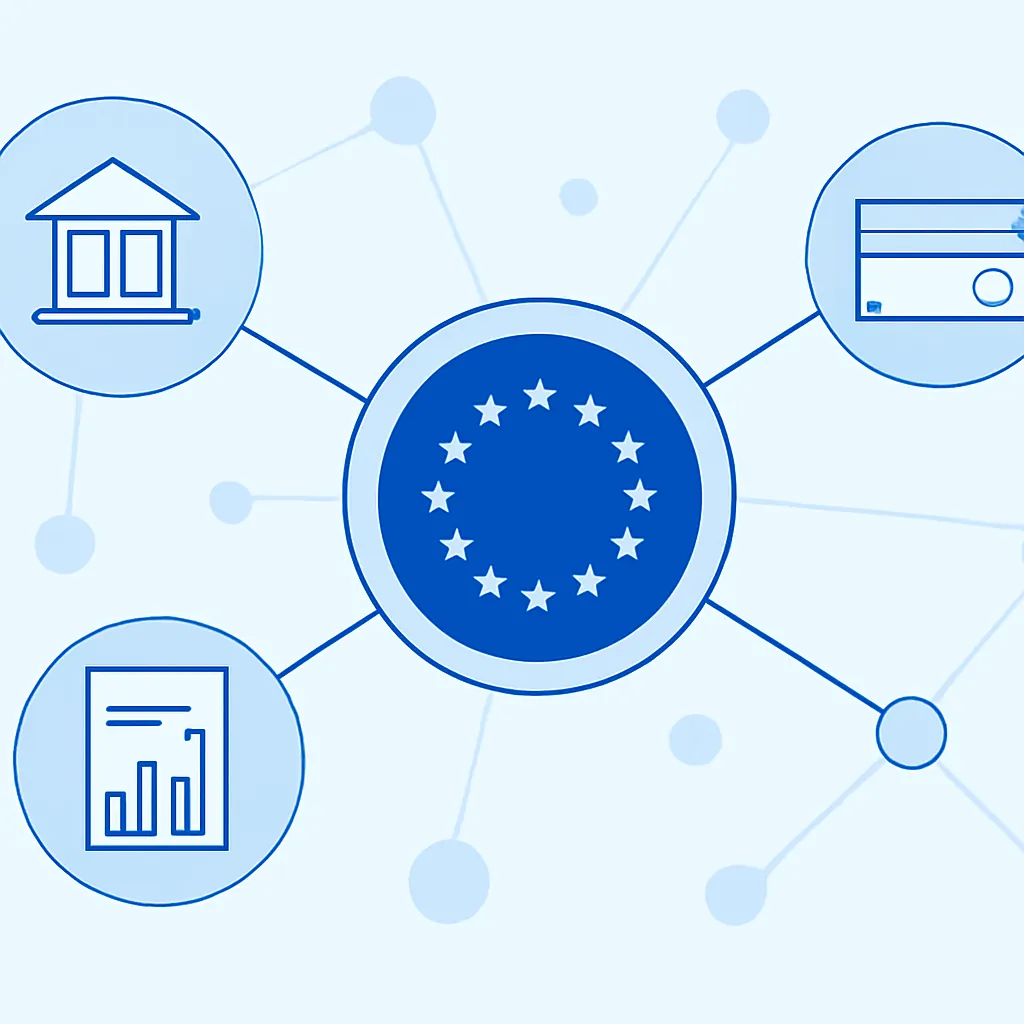
At the heart of the final report is a deceptively simple idea: instead of reporting the same transaction data separately under three distinct frameworks, firms would submit data once through a common modular structure. That data would then be reused by the relevant authorities, whether that is ESMA itself, national competent authorities, or other supervisory bodies with a mandate over the instrument type in question.
Right now, a derivatives transaction can trigger reporting obligations under MiFIR (for market transparency and abuse detection), EMIR (for systemic risk monitoring) and potentially SFTR (for securities financing activity). Each framework has its own data fields, submission channels, reconciliation requirements and update cycles. The overlap is substantial, and so is the cost.
What the Cost-Benefit Analysis Found
ESMA's report is backed by a formal cost-benefit analysis, including direct input from market participants. The headline figure is up to €1 billion in potential annual savings once the integrated framework is fully operational. Implementation costs, which will be real and front-loaded, are expected to be recovered within three to four years of the new framework going live. After that, efficiency gains are projected to compound on a sustained basis.
ESMA identified three structural cost drivers that the reform targets directly: unsynchronised and frequent regulatory changes across the three frameworks; duplicated reporting of the same transaction data to multiple authorities through separate channels; and dual-sided reporting combined with the reconciliation burden that comes with it.
Phased Approach: Short-Term and Long-Term Measures
Immediate Burden Reduction
Recognising that full legislative reform will take time, ESMA has proposed a set of intermediate measures designed to reduce costs now, without waiting for the integrated framework to be enacted. The report does not enumerate every measure in full public detail, but the direction is clear: streamline data standards, reduce reconciliation requirements where possible, and align timelines across frameworks to prevent firms from being caught by staggered amendment cycles.
These interim steps are explicitly designed to be compatible with the eventual integrated structure, so firms investing in systems upgrades now will not face a second round of changes when the long-term reform arrives.
Long-Term Structural Reform
The integrated framework itself will require targeted legislative changes to MiFIR, EMIR and SFTR. ESMA is not proposing to collapse these three regimes into one undifferentiated rulebook. Instead, the plan involves a modular design where product-specific requirements sit within a single reporting architecture, rather than across three separate ones. The distinction matters for how firms structure their data governance and reporting infrastructure.
Implementation will be phased, with ESMA committing to an inclusive dialogue with industry technical experts throughout the development of reporting templates and data standards. This is not a unilateral redesign imposed from above. Firms that engage early in consultative processes will have a material influence on the final shape of the framework.
What This Means for Compliance and Reporting Teams
Legislative Timeline and Uncertainty
ESMA's next step is to bring these recommendations to EU institutions, meaning the European Commission, the European Parliament and the Council. Legislative changes to three major regulations will not happen quickly. Firms should plan for a multi-year horizon before the integrated framework is binding, while also preparing for the interim measures to be introduced in a shorter window.
The parallel here is instructive for teams already navigating EU regulatory change. ESMA's MiCA white paper exemption clarification followed a similar pattern: ESMA publishes guidance or a report, engagement with institutions follows, and then formal rule changes arrive on a staggered basis. The firms that fare best are those that track the policy trajectory rather than waiting for the final text.
Accounting and Data Infrastructure Implications
For accounting firms and CFOs with clients in the trading, asset management or financial services space, the 'Report Once' reform has direct implications for how transaction data is captured, stored and structured. A unified framework will ultimately demand a unified internal data model. Firms that currently maintain separate reporting feeds for MiFIR, EMIR and SFTR will need to rethink that architecture.
This is also relevant for any firm with digital asset exposure. As ESMA's remit expands to cover crypto-asset service providers under MiCA, the question of whether future digital asset transaction reporting will be brought within this integrated framework is a live one. The EU ViDA 2026 VAT digital reporting roadmap points in a similar direction: EU regulators are consistently moving toward unified, machine-readable, single-submission models across tax and financial regulation. Firms that build flexible data infrastructure now will be better placed when each new layer arrives.
Relevance for Crypto Financial Statements and Digital Asset Reporting
While ESMA's report focuses on traditional financial instruments under MiFIR, EMIR and SFTR, the 'Report Once' principle has direct conceptual relevance for how crypto financial statements and digital asset reporting are likely to evolve in the EU. As crypto assets increasingly sit alongside traditional instruments in institutional portfolios, the pressure to bring them within harmonised reporting regimes will grow.
For firms already grappling with crypto ifrs accounting or the treatment of digital assets under EU accounting standards, the direction of travel is consistent: regulators want fewer parallel reporting lanes, not more. Whether that affects how firms approach crypto financial statements in the near term depends on the pace of legislative follow-through, but the structural logic is clear.
FAQ
What is ESMA's 'Report Once' proposal?
ESMA is recommending a single integrated transaction reporting framework spanning MiFIR, EMIR and SFTR. Rather than filing separate reports under each regime, firms would submit data once through a common modular structure, and that data would be shared across supervisory authorities as needed.
How much could the reform save, and over what timeframe?
ESMA's cost-benefit analysis, developed with input from market participants, estimates up to €1 billion in annual savings once the framework is fully operational. Initial implementation costs are expected to be recovered within three to four years.
Does this affect firms reporting under MiCA or dealing with crypto assets?
The current proposals focus on MiFIR, EMIR and SFTR. However, as MiCA expands ESMA's supervisory reach over crypto-asset service providers, it is reasonable to expect future discussion about whether digital asset transaction reporting will eventually be incorporated into any unified framework.
When will the integrated framework come into force?
No fixed date has been set. ESMA will now engage with EU institutions, and any binding changes will require targeted legislative amendments to three separate regulations. A multi-year timeline is realistic. Intermediate burden-reduction measures may arrive sooner.
What should compliance and reporting teams do now?
Monitor ESMA's engagement with the European Commission and Parliament. Assess your current data architecture across MiFIR, EMIR and SFTR reporting to identify where a unified internal data model would reduce duplication. Engaging in any industry consultations ESMA opens during framework development will give firms influence over the final design.